
Time passes, and we age. As we age, wrinkles and fine lines become an inevitability. Our skin naturally starts reducing its bio functions, and the production of the compounds it needs to stay plump and young declines. Collagen and elastin decrease, making our skin rougher and less elastic, leading to the appearance of wrinkles and, sometimes (not so) fine lines. We must accept that they are inevitable signs of aging that appear as we grow older.
Well, do we really need to accept this fact, or is there a natural, effective way to reduce fine lines and wrinkles? In this article, I will go over the best organic ingredients that, backed by science, help restore youthfulness in our skin. If you’re curious about Mother Nature’s wonders, check out this article where I cover the benefits you and our planet get when using natural ingredients in your daily skincare routine.
Our ancestors knew the healing properties of plants and today, science backs up what we, as a society, have known for ages. Organic skincare offers numerous benefits over their conventional counterparts. They are free from synthetic chemicals and pesticides, reducing the risk of skin irritation and allergic reactions. Plant-based ingredients are rich in nutrients that nourish the skin, promoting a radiant and youthful complexion. While natural ingredients have the ability to cover numerous skincare concerns, there is no one ingredient for all.
So, which are the best ingredients to rejuvenate your skin and plump those wrinkles and fine lines?
Top Organic Ingredients to Reduce Fine Lines and Wrinkles
The aging process of our skin is a complex biological path that can be divided into two types. While intrinsic (or chronological) aging is an inevitable process that happens as time passes, extrinsic aging is affected by environmental factors such as stress, pollution, and photoaging. This last involves premature skin aging when exposed constantly to ultraviolet radiation. These factors alter the skin’s structure, function, and appearance, wearing it down and reducing its ability to perform normal functions.
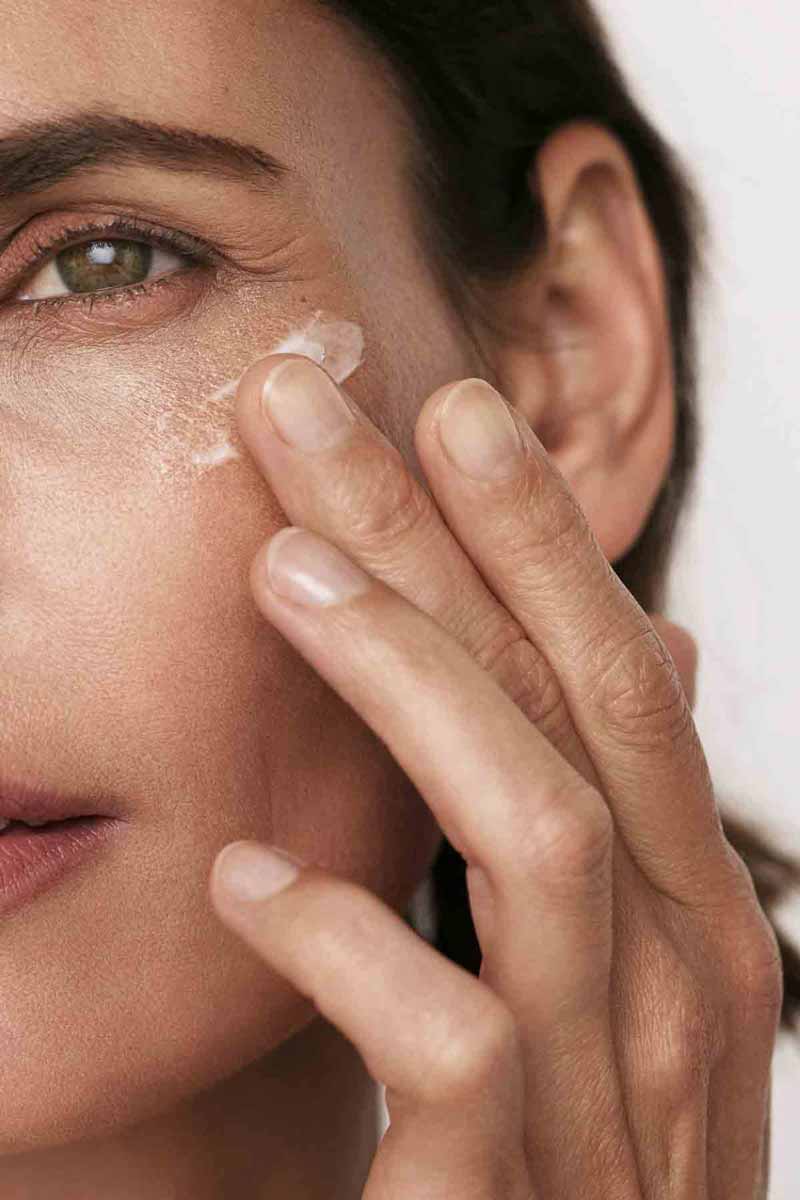


1. Retinol (Vitamin A)
Retinol, a derivative of Vitamin A, is a well-known natural ingredient for reducing fine lines and wrinkles. It can boost collagen production and accelerate cell turnover, making it a favorite ingredient for those seeking anti-aging solutions. Be careful with which retinol molecule your product has. Certain traditional derivatives, such as tretinoin, can cause sensitivity and irritation for those with sensitive skin.
Fortunately, researchers have found that organic retinol alternatives offer a gentler approach to achieving the same benefits. Fields of Yarrow’s go-to organic retinol is derived from bakuchiol. Products like our Ginseng, Camellia & Peptide Revitalizing Eye Serum provide the anti-aging effects you look for without the potential side effects. Among various anti-aging agents, retinoids are the most promising to treat the signs of aging.
Ginseng Camellia & Peptide
A powerhouse of ingredients that work together to reduce the appearance of fine lines, wrinkles, and dark circles around your eyes. Infused with rose petals and featuring a combination of rose hip oil, jojoba oil, and evening primrose oil that work together to nourish, moisturize and hydrate the delicate skin around the eyes, leaving it smooth and supple.
2. Vitamin C
Vitamin C is more than just the main vitamin in your morning orange juice. It is a vital nutrient that plays a huge role in collagen synthesis, essential for maintaining skin elasticity and firmness. Regular use of Vitamin C-based products can brighten the skin, improve its texture, and fade hyperpigmentation, leaving you with skin that feels alive and looks youthful. Many skincare conglomerates offer products with vitamin C. Still, I would recommend you look for organic skincare brands that offer products with a stable Vitamin C molecule at the optimal concentration.
A great example is this C-Complex Serum. Perfectly formulated with an 8% optimal concentration of Vitamin C and hibiscus, also known as “The Botox Plant.” Are you curious about how hibiscus can naturally reduce signs of aging? In that case, I recommend you read the article Hibiscus: The Natural Anti-Aging Ingredient Your Skin Needs, where I explain how this often-overlooked and very tasty flower can help eliminate fine lines.
C-Complex Drops
Our revitalizing C-COMPLEX DROPS from the Super C Range contains an optimal concentration of 8% Vitamin C. Its stable and lightweight formula is non greasy and absorbs easily into the skin for a naturally radiant glow.
3. Hyaluronic Acid
Hyaluronic acid is what everyone is talking about right now. This naturally occurring molecule in our skin was disregarded in the past as it was believed to be useless. Recent research has discovered that, in fact, it does so much for us. This unique natural molecule can hold up to 1000 times its weight in water, tapping that moisture in your skin. As we age, our natural production of hyaluronic acid decreases, leading to dehydrated skin and visible signs of aging.
Organic hyaluronic acid, typically derived from plant sources, is an excellent humectant, drawing in moisture and plumping your skin. When it comes to hydration, you want the product to go as deep as possible. Fields of Yarrow uses sodium hyaluronate, a derivate of hyaluronic acid, known to have a smaller molecule that can penetrate deeper into the skin’s layers. For example, this weekly hydrating face mask ( the Rosegel & Mulberry Hydrating Face Mask by Fields of Yarrow) is everything you could ask for in the fight against wrinkles. By enhancing the skin’s hydration levels, this serum can diminish the visibility of fine lines, leaving the skin soft, revived, and youthful.
Rosegel & Mulberry
Infused with rose water, hyaluronic acid, and glycerin, this mask provides deep hydration that helps to restore your skin’s natural moisture barrier, leaving it feeling soft and smooth.
4. Skin-loving face oils
Many plant-based oils can be applied to our face to soothe and hydrate it without them being comedogenic (clogging our pores). Don’t stress. When the formulation of the face oil is correct, there’s no greasy after-feel! The ones I can vouch for their efficiency are:
- Argan Oil: Packed with plenty of antioxidants, vitamins, and essential fatty acids that can work wonders for the skin. It offers deep hydration and antioxidant protection without clogging pores.
- Jojoba Oil: It is the closest ingredient in molecular construction to the human sebum, making it a natural replacement. When our body cannot produce enough sebum to protect against harsh external elements, jojoba oil can be the perfect solution.
- Sacha Inchi Oil: This almost secret ingredient boosts collagen production and is an excellent natural ingredient for promoting healthy, glowing skin. Sacha Inchi oil’s lightweight texture makes it suitable for various skin types, even those prone to sensitivity.
To deepen your knowledge and awareness on facial oils and how to use them to address different skin concerns, have a look at the Benefits of Facial Oils in Your Daily Skincare Routine
Wild rose & Geranium
Wild Rose & Geranium Illuminating Face Oil is a luxurious moisturizer that packs a powerful punch of natural ingredients to hydrate and rejuvenate the skin.
If what you’re looking for is a luxurious moisturizer that packs a powerful concentration of natural ingredients, our award-winning Wild Rose & Geranium Face Oil is what you need. It hydrates and rejuvenates the skin with its fast-absorbing, non-greasy formula. It is rich in antioxidants that work together to protect the skin from damaging free radicals while providing deep hydration. The blend of nourishing oils will leave the skin feeling soft, supple, and revitalized.
5. Antioxidants
Humans can oxidize? Yes, it happens when our cells interact with oxygen. Therefore, antioxidants are essential for protecting our skin from free radicals, which can cause oxidative stress and premature aging. Antioxidants are an effective approach to prevent symptoms related to photo-induced aging of the skin. So, which are the best antioxidant agents to reduce the signs of aging?
- Vitamin C: Besides being an essential part of collagen synthesis, L-Ascorbic acid 2-Glycoside (the most stable vitamin C molecule created in Japan) is an excellent antioxidant that can also be used as a depigmentation agent. The extreme versatility and incredible benefits of vitamin C have made it an important component of organic skincare. Many skincare brands have a specific product range that is based on this marvelous chemical compound so that you can quickly implement it in your daily routine.
- Vitamin E: The antioxidative mechanism of tocopherols is due to the hydroxyl group donating a hydrogen atom to the skin to reduce the negative effect of free radicals. Make sure you take a vitamin E supplement or apply it topically to your skin to take advantage of that donated hydrogen atom, for which your skin will thank you!
- Carotenoids: Carotenoids are organic pigments that plants naturally produce. They are helpful to protect against UV-induced damage. Beta-carotene also acts as a precursor to vitamin A—the Vitamin responsible for cell regeneration. So, as you can see, nature works synergistically with its own ingredients. They simply complement each other.
Other organic antioxidants, such as green tea, pomegranate, hibiscus, and selenium (generally found in nuts and seeds), offer natural protection against environmental damage. Including organic sources of antioxidants in your skincare routine will help you maintain a youthful complexion and counteract the harmful effects of environmental pollutants.
Introducing Natural Ingredients For Fine Lines in your Routine
Adding these top organic ingredients into your skincare regimen can effectively reduce fine lines and wrinkles while embracing a more natural, sustainable, and ethical approach to skincare. Whether you choose retinol alternatives, vitamin C, hyaluronic acid, or any of the antioxidants, each ingredient offers unique benefits that can protect and rejuvenate your skin. Remember to always look for quality and authenticity when choosing organic skincare products and enjoy the beauty and revitalizing effects of nature’s treasures.
FAQs
Can organic ingredients effectively reduce fine lines and wrinkles as compared to traditional anti-aging products?
Yes, organic ingredients can be just as effective in reducing fine lines and wrinkles. Many organic ingredients, such as retinol alternatives, vitamin C, and hyaluronic acid, have been backed by scientific research for their anti-aging properties. It's essential to choose high-quality organic products with optimal concentrations of active ingredients for the best results.
Can I use vitamin C-based products during the day or night?
Vitamin C-based products can be used both during the day and at night. However, using them during the day can offer added protection against environmental pollutants and UV damage. Make sure to follow up with sunscreen during the day to enhance the skin's protection from the sun.
Is hyaluronic acid suitable for oily or acne-prone skin?
Yes, hyaluronic acid is suitable for all skin types, including oily and acne-prone skin. It is a lightweight, non-comedogenic ingredient that hydrates the skin without clogging pores. Oily skin types can benefit from using hyaluronic acid to maintain balanced hydration levels.
How do I choose the right organic product for my specific skin concerns?
When choosing an organic product for specific skin concerns, consider the active ingredients in the product and their concentrations. Look for products that target your particular concern, such as fine lines and wrinkles, and read customer reviews or seek recommendations from skincare experts. The easiest way to understand what products to start considering, is taking our skincare quiz that will guide you to the right ingredients and products.
Are there any potential side effects of using natural ingredients for fine lines and wrinkles?
Natural ingredients, when used appropriately and in the right concentrations, are generally safe and well-tolerated. They surely are much less likely to create problems when compared to their chemical and artificial counterparts. However, individual skin sensitivities may vary, and some people may experience mild irritation or allergic reactions. Perform a patch test before using any new product and discontinue use if adverse reactions occur.