Most people use, on average, 5-10 different skin products every day to help them keep healthy and young-looking skin. But most of us are not even sure what those store-bought products contain. Many have added ingredients to help stabilize the formula and even synthetic fragrances that can severely irritate the skin. There are plenty of reasons to use natural skincare instead of regular products, like avoiding those harmful synthetic chemicals, and, plus; it can be an eco-friendly option.
Today, more and more people are opting for natural skincare products to reduce the potential harm synthetic compounds can have on their skin, but it can be challenging to research, find and buy those products. This article explores the advantages of embracing natural ingredients in your daily skincare routine, understanding their benefits, and providing practical tips on incorporating them effectively.
What is Natural Skin Care?
Natural skincare ingredients are derived from botanical extracts, essential oils, and herbal remedies, harnessing the power of nature to enhance skin health and vitality. They are carefully selected for their beneficial properties and are free from synthetic chemicals, fragrances, and additives. Whenever you buy a natural skin care product, you should do a bit of research on the company beforehand. Brands like Fields of Yarrow grow and harvest their own organic ingredients without pesticides, and they select only the highest quality plants and flowers to guarantee the potency and quality of our products.
How Do I Know Where The Ingredients Come From?
We often read about the importance of natural and organic products, but how can you, as consumers, know where the ingredient comes from? How can you know if it’s organic or synthetic? Ingredients in skin care products can have three sources:
- Naturally occurring: Ingredients in these products are used in their natural, unprocessed state. For example, raw honey and crushed flowers.
- Nature-identical: Ingredients in nature-identical products are produced in a lab and are chemically identical to those in nature. An example is sorbic acid.
- Synthetic: This term sits on the far end of the spectrum and includes ingredients created and processed in a lab. An example of this is parabens, which are common preservatives found in non natural skincare products.
By identifying these sources, you can make a more informed decision regarding the products you buy. One way to achieve this goal, is to pay attention to the packaging for indications of ingredient claims like ‘free from parabens,’ ‘SLS-free,’ or ‘mineral oil–free.
Benefits of Natural Skin Care
Natural ingredients offer a wealth of benefits for the skin due to their unique composition and compatibility with the skin’s biological processes. A review of the Main Benefits and Applicability of Plant Extracts in skincare products reported the main benefits of plant extracts used in skincare. These benefits (that we will list in this article) are attributed mainly to the fact that natural skincare ingredients include:
- vitamins
- antioxidants
- essential oils
- hydrocolloids
- proteins
- terpenoids
- bioactive compounds
Vitamins
Vitamins are essential nutrients that can provide various benefits to the skin. They can help in promoting collagen production, improving skin elasticity, reducing the appearance of fine lines and wrinkles, and brightening the complexion
Antioxidants
Antioxidants help protect the skin from damage caused by free radicals, which are unstable molecules that can lead to premature aging and skin damage. They can help reduce inflammation, protect against UV damage, and promote a more youthful and radiant skin appearance.
Essential oils
Essential oils extracted from plants can offer a range of skincare benefits. They can have antimicrobial properties, soothe irritated skin, provide hydration, and promote relaxation. Different essential oils can have specific benefits, such as tea tree oil for acne-prone skin or lavender oil for calming effects.
Hydrocolloids
Hydrocolloids are substances that form a gel-like consistency when in contact with water. They are commonly used in skincare products for wound healing and acne treatment. They can help create a moist environment, promote faster healing, absorb excess oil, and protect the skin from external irritants.
Proteins
Proteins play a crucial role in maintaining the skin’s structure and promoting its health. They can help improve skin elasticity, firmness, and texture. Collagen and elastin are examples of proteins that contribute to maintaining a youthful appearance and reducing the signs of aging.
Terpenoids
Terpenoids are organic compounds found in many plants and have diverse skincare benefits. They can possess anti-inflammatory, antibacterial, and antioxidant properties. Some terpenoids, like chamomile or lavender, can help soothe and calm the skin, while others, like citrus oils, can provide a brightening effect.
Bioactive compounds
Bioactive compounds refer to various natural substances found in plants, fruits, and botanical extracts that can have positive effects on the skin. These compounds can include polyphenols, flavonoids, and phytochemicals. They can help reduce inflammation, improve skin tone and texture, protect against environmental damage, and support overall skin health.
1. Nourishing and Moisturizing Benefits
Natural skincare ingredients such as shea butter, jojoba oil, coconut oil, and aloe vera possess nourishing properties that replenish and moisturize the skin. They help to restore the skin’s natural lipid barrier, preventing moisture loss and keeping the skin supple, soft, and hydrated.
2. Gentle and Non-Irritating solutions for Sensitive Skin
Many synthetic ingredients and harsh chemicals in conventional skincare products can cause irritation and sensitivity, particularly for delicate skin. The trick resides in one simple fact: skincare is an ongoing experience. There’s no such thing as applying a product only once, or every now and then. Due to the continuity of a treatment, these harsh chemicals will ultimately make more harm than good, on sensitive skins.
On the other hand, natural ingredients are typically gentler and milder, making them ideal for continued usage in individuals with sensitive skin. Ingredients like chamomile, calendula, and oatmeal are known for their soothing and calming properties, helping to reduce redness and inflammation.
3. Rich in Antioxidants for Anti-Aging Benefits
Natural skincare ingredients are often rich in antioxidants that help combat free radicals, unstable molecules that damage the skin and accelerate aging. Antioxidants such as vitamin C, green tea extract, pomegranate, and rosehip oil help neutralize free radicals, reducing the appearance of fine lines, wrinkles, and age spots. They also promote collagen production, improving skin elasticity and firmness.

4. Effective in Addressing Specific Skin Concerns
Natural ingredients in skincare offer targeted solutions for various skin concerns. For example, tea tree oil is renowned for its antimicrobial and anti-inflammatory properties, effectively combating acne and reducing blemishes. Witch hazel acts as a natural astringent, tightening pores and reducing excess oil production, while ingredients like vitamin C and licorice root extract help fade hyperpigmentation and even out skin tone.
Choosing Natural Skincare Products
When selecting natural skincare products, look for those that are labeled as
- Organic: Companies can have their skincare products certified organic, which usually gives you enough certainty that all the ingredients are derived from organic sources.
- Green: Green products are usually produced to limit environmental impact, but this is an unregulated term generally referring to ecological impact and sustainability.
- Clean: This is another unregulated term that describes products that typically focus on being nontoxic.
- Vegan: These products are created without animal by-products.
- Cruelty-free: It means that the finished product hasn’t been tested on animals.
It’s also important to note that while vegan products are almost always cruelty-free, cruelty-free products are not always vegan. An example would be an organic lip balm that contains beeswax.
- Fair-trade: this regulated descriptor focuses on sourcing, ensuring that ingredients are sourced ethically regarding the planet, people, or environment.
According to the authors, and I totally validate this with my own experience in the field, plant extracts and natural skin care ingredients are safer and can even be more cost-effective than their synthetic counterparts. They can have many different applications to treat a plethora of skin conditions.
DIY Skincare Recipes Using Natural Ingredients:
Embrace your inner mixologist by creating homemade skincare products using natural ingredients. There is a vast array of resources available, including one that we found on The Healthline that suggests the following DIY Skin care recipes. With a few ingredients we all have around the house, plus your creativity, you can start taking care of your skin naturally at home.
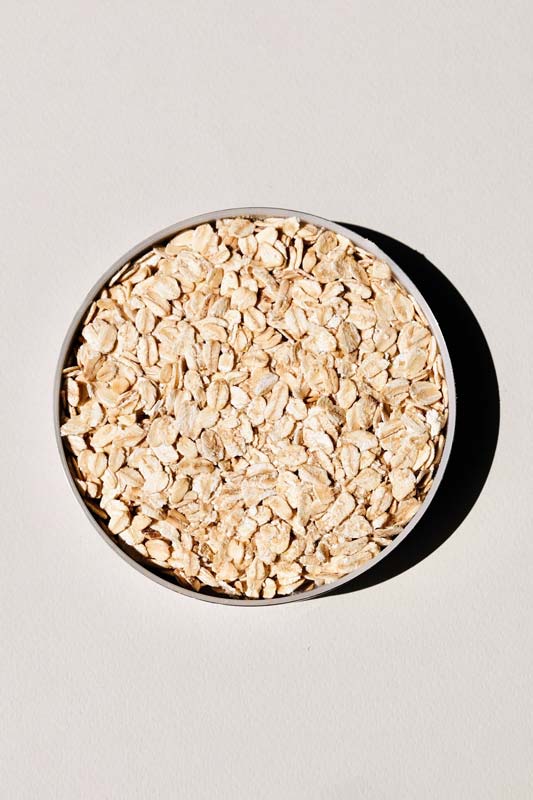
Clarifying Oatmeal Mask
This mask regulates the skin’s pH with apple cider vinegar while removing excess oil and buildup with ground oats.
Ingredients
- 3 tbsp. ground oats
- 1/4 tsp. apple cider
- 1/4 tbsp. lemon juice
- 1/2 tbsp. brown sugar
Directions
- Combine the ground oats and apple cider into a smooth paste.
- Add the lemon juice and brown sugar, stirring until even.
- Apply to freshly cleansed skin for 5 to 10 minutes.
- Rub in circular motions.
- Rinse off with warm water.
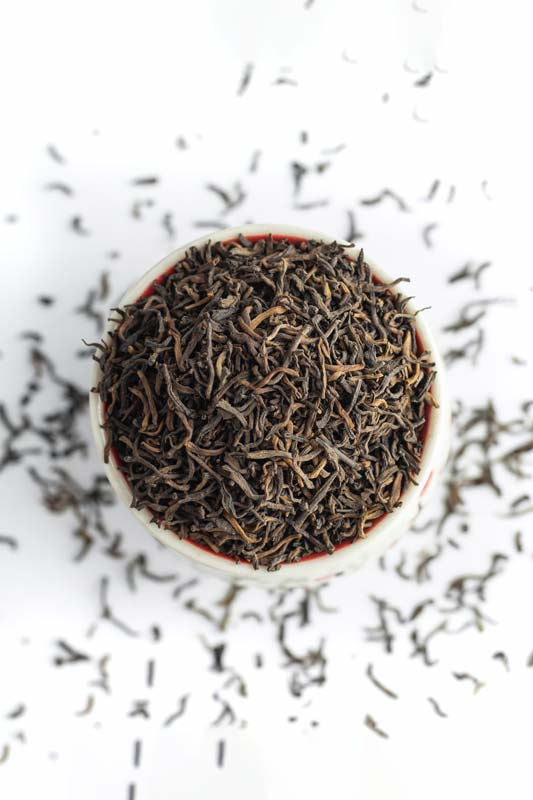
Tea Leaves Face Toner
This toner isn’t only natural but also helps fight acne.
Ingredients
- 1 tsp. peppermint tea leaves
- 4 tsp. white tea leaves
- 1/2 cup boiled distilled water
- 2 drops of lavender oil
Directions
- Combine all ingredients in a French press.
- Let the mixture steep for 10 minutes.
- Pour into a glass container to cool.
- Combine mixture with aloe vera until it fills a 4-oz. spray bottle.
- Spritz on your face after cleansing, and store in the refrigerator.

Sugar Face Scrub
This homemade exfoliant nourishes skin while also sloughing off dead skin cells.
Ingredients
- 1/2 cup brown sugar
- 3 tbsp. honey
- 2 tbsp. oil of your choice
Directions
- Combine honey and brown sugar in a small bowl, and stir until it forms a thick paste.
- Add the oil and mix well.
- Spread the paste over clean skin.
- Leave it on for 5–10 minutes.
- Rinse with warm water.