
We all want to start our day by leaving our house with a smile and a glowing, radiant skin, ready to take on whatever life throws at us. Unfortunately, it’s not always easy to have a bright skin complexion. Harmful free radicals surround us oxidizing our cells and damaging the appearance of our skin. The quest for radiant, flawless skin often leads to various skincare products, but sometimes the answer lies within nature’s bounty. One well-kept secret to achieving glowing skin is safflower oil, a prominent ingredient in natural skincare ingredients.
In this article, we will go over the science behind the many benefits of safflower oil for your skin, wallet, and the environment.
What Is Safflower Oil?
Safflower oil, extracted from the seeds of the Carthamus tinctorius plant, is an ingredient that has been used for centuries due to its wide array of health benefits. In skin care, safflower oil’s advantages come from its high linoleic acid content, an essential fatty acid vital for maintaining skin health. Aside from linoleic acid, this oil is enriched with other skin-friendly components that make it a trusted companion in your journey to achieving radiant skin.
The extraction process is simple, and the seeds are widely available, reducing this product’s cost. It is also an environment-friendly oil because, unlike other oils such as sandalwood oil, the Carthamus tinctorius plant does not need much time to mature. This makes this oil good for the environment and cheaper for you.



The Science Behind Safflower Oil’s Benefits for Skin
Safflower oil is naturally packed with natural nutrients and chemical compounds proven scientifically to be good for your skin. The biggest helpers that can make you achieve radiant, glowing skin are:
- Linoleic Acid (Omega-6): This fatty acid that we have heard so much about helps maintain the skin’s natural barrier and balance sebum production. It’s also believed to have anti-inflammatory properties, which can help with skin conditions like acne and eczema.
- Oleic Acid (Omega-9): This fatty acid can help maintain the softness and suppleness of the skin and may also aid in the skin’s natural repair process since it is an essential component of the cell membranes.
- Vitamin E: This powerful antioxidant helps protect the skin against damage from environmental stressors such as UV rays and pollution. It also has proven moisturizing properties, which can help keep the skin balanced and hydrated, preventing dryness.
- Phytosterols: These plant-derived compounds have skin-soothing properties and can help reduce redness and irritation. They may also help protect the skin’s barrier function, keeping harmful substances out and locking moisture in.
- Flavonoids: These compounds have antioxidant properties, protecting the skin from damage by neutralizing harmful free radicals.
These components work together synergistically, providing a wide range of benefits for the skin, from hydrating and soothing to protecting against environmental damage. However, it’s always essential to patch-test any new skincare product before completing the application to make sure that it doesn’t cause irritation or an allergic reaction.
Safflower oil is non-comedogenic, meaning it doesn’t clog pores, and it contains high levels of linoleic acid, which helps in reducing acne. It is generally well-tolerated but should be patch tested before use. Pure, cold-pressed safflower oil is recommended for direct application on the skin.
Nourishing and Hydrating Properties of Safflower Oil
Rich in nourishing ingredients, safflower oil provides deep hydration to the skin. The high linoleic acid content replenishes the skin’s lipid barrier, helping to retain moisture and impart a soft, supple texture. Further enhancing its hydrating properties is oleic acid, another important chemical compound in safflower oil. This combination ensures that safflower oil moisturizes the skin and locks in hydration for a longer-lasting effect.
Antioxidant and Anti-Inflammatory Effects on the Skin
A powerful antioxidant in safflower oil, Vitamin E, helps neutralize harmful free radicals that can cause skin damage and premature aging. This protective compound protects the skin against environmental stressors, preserving its youthful look and feel. Also, safflower oil’s anti-inflammatory properties contribute to its skin-soothing capabilities. Regular use can help reduce redness, soothe irritation, and manage inflammation, calming the skin.
Balancing Sebum Production and Reducing Acne
The magic of safflower oil in managing acne lies in its ability to balance sebum production, which is often at the core of acne-related skin issues. Sebum is an oily substance produced by our skin’s sebaceous glands. While it serves an important role in protecting our skin, excessive production can lead to clogged pores, fostering an environment for acne-causing bacteria to thrive. Safflower oil is already a commonly used ingredient to treat acne vulgaris.
Lightening and Brightening Uneven Skin Tone
Safflower oil has proven to be an effective solution for brightening and lightening uneven skin tone. With constant use, its nourishing elements can bring dull skin back to life, improve texture, and restore the skin’s natural glow so you feel confident every day. This beneficial oil works gently yet effectively to promote an even, bright complexion, adding a touch of luminosity to your skin.
Incorporating Safflower Oil into Your Skincare Routine
Adding safflower oil to your skincare routine can be as simple as using it as a standalone moisturizer or adding a few drops to your existing skincare products. Safflower oil’s versatility also lends it to be a suitable carrier oil for DIY face masks, allowing it to be combined with other beneficial ingredients like honey, avocado, or oats to create a home-made magical mask that will make your skin glow throughout the day.
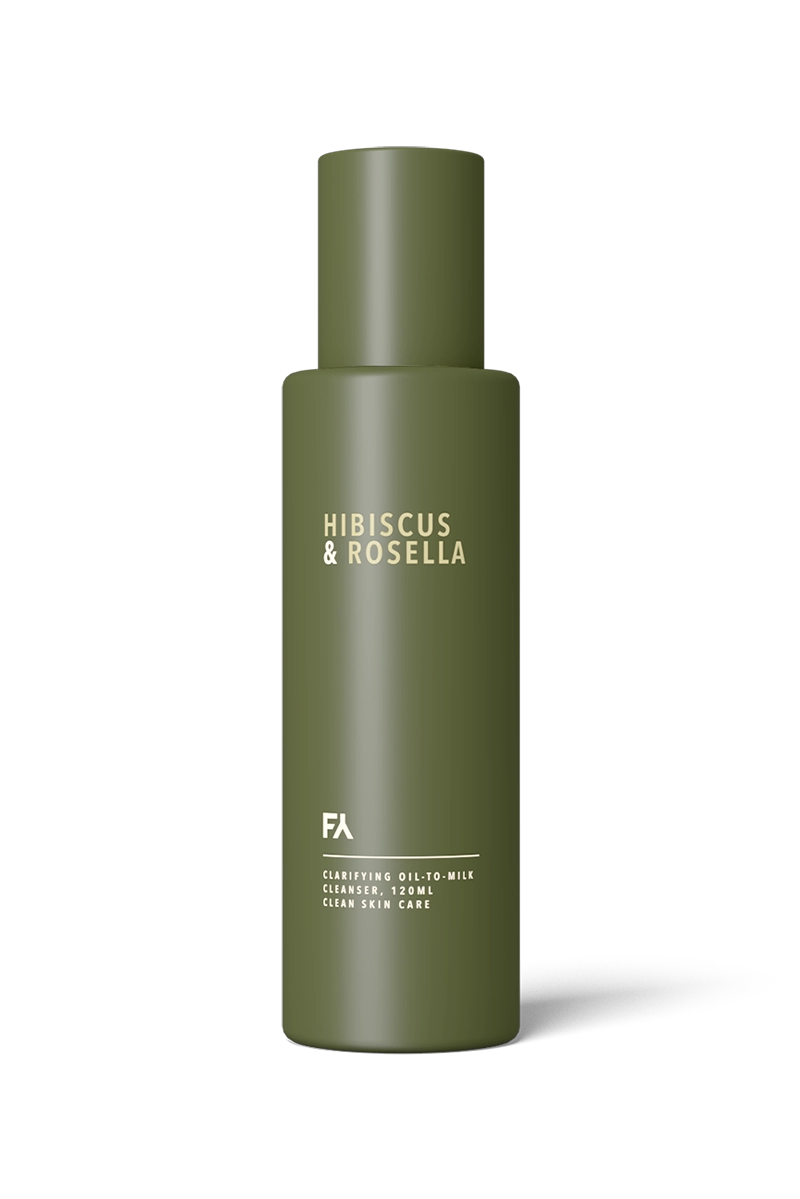
Hibiscus & Rosella
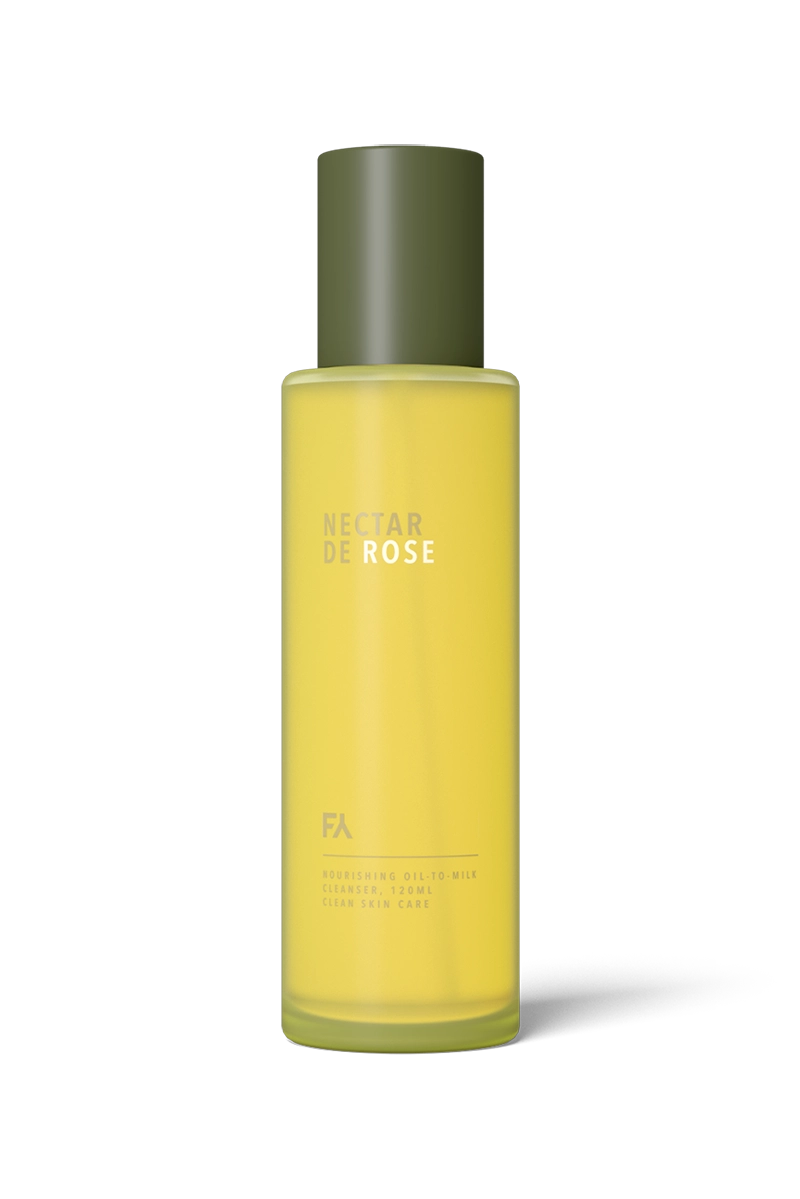
Nectar de Rose
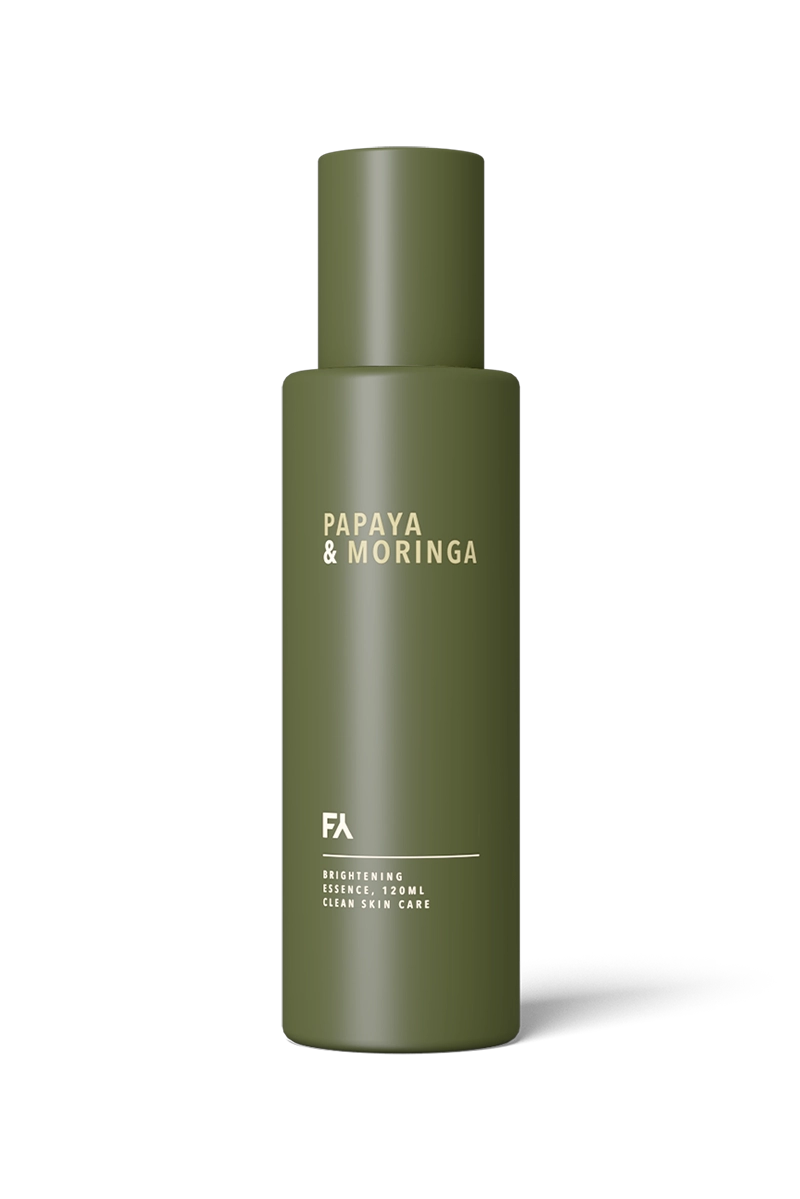
Papaya & Moringa
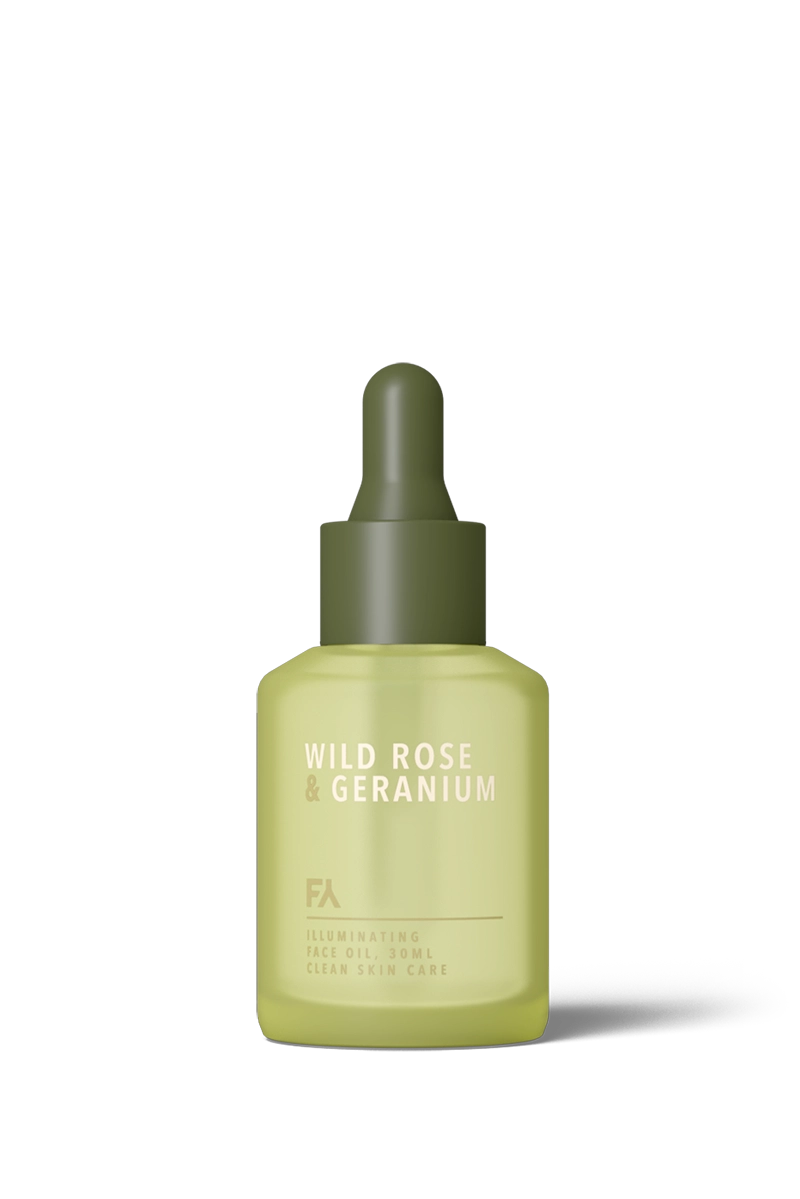
Wild Rose & Geranium
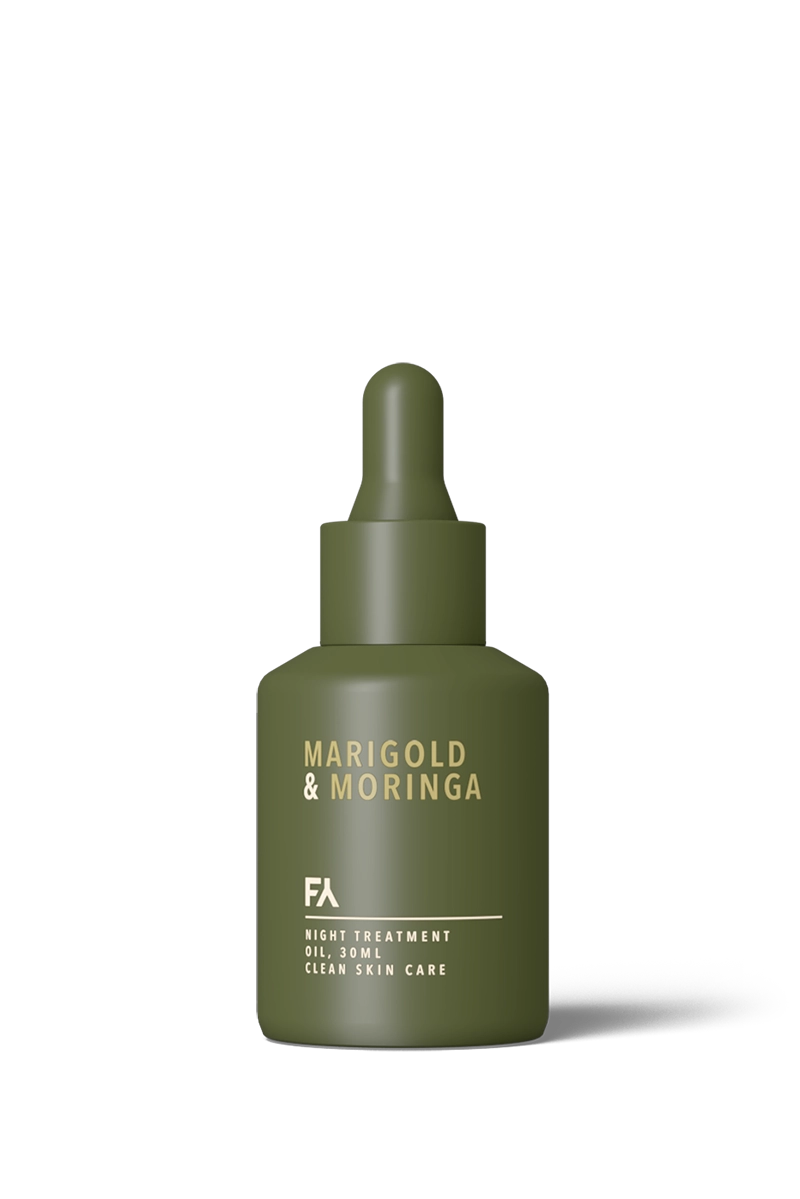
Marigold & Moringa
Choosing High-Quality Safflower Oil Products
Choosing high-quality safflower oil is essential to ensure you’re reaping the full benefits of this potent oil. Look for products that contain 100% pure safflower oil, free from additives or synthetic fragrances. Organic and sustainably sourced options are preferable to ensure quality and eco-friendliness. Research the company and its extraction methods to ensure that you are getting what you are paying for.