
Keeping healthy skin is a significant concern in our daily life, surrounded by free radicals, pollutants, and stress. Sadly, not all skincare products we find in stores have the same array of benefits, even some of them can be harmful to us in the long run. Many mainstream products contain potentially dangerous ingredients, pushing a shift towards non-toxic skincare. Non-toxic skincare is what it sounds like: using products that do not have harmful components and, instead, using natural, organic, plant-based ingredients that keep the skin healthy without any backlash.
This article will review the steps to help you transition to a non-toxic skincare routine.
Non-toxic skincare refers to products free from harmful chemicals that can have unwanted side effects. These products typically avoid ingredients such as parabens, phthalates, sulfates, and synthetic fragrances that could potentially harm our skin. To get a more in-depth understanding of these common harmful ingredients, check out our article: Non-Toxic Skincare for Acne-Prone Skin: What to Look For. Non-toxic skincare focuses on using natural and clean ingredients that support skin health without the potential for long-term harm. By consciously avoiding ingredients that can potentially cause damage, non-toxic skincare offers a safer, healthier approach to maintaining glowing, youthful skin.



The Importance of Non-Toxic Skincare
Skin is our largest organ and can absorb up to 60% of what we apply to it. Any product we use will penetrate the outermost layer of epidermal skin, entering and modifying our body. Harmful ingredients in skincare products penetrate our bodies and can potentially cause harm over time. Repeatedly applying and exposing our skin to these toxins can lead to skin irritation, hormonal disruptions, premature aging, and even more serious health problems. Non-toxic skincare reduces these risks by providing safer, more natural alternatives that promote skin health without unwanted side effects.
Evaluating Your Current Skincare Routine
The first step in transitioning to a non-toxic skincare routine is evaluating your current routine. Take time to look at each product you use, reviewing its ingredient list for potentially harmful substances. Several websites, such as EWG’s Skin Deep Database, have taken the time to analyze and break down the ingredients of many mainstream products that can help you understand the safety of the complex ingredients list of your products. You may discover that some of your products already meet the non-toxic criteria while others may need to be replaced.
Reading Labels and Understanding Them
Product labels are not often accurately regulated; they can be confusing and sometimes misleading. Labels like “natural,” “clean,” “non-toxic,” and “green” can be particularly deceptive because there’s no universally accepted definition for these terms in the skincare industry. In many cases, they’re only marketing terms with no scientific backing, just put there to make you buy the product. Learning to read ingredient lists and understand certifications can help you make informed choices and save some money. Certifications like “EWG Verified” or “COSMOS Organic” are reliable indicators of non-toxic products.
Identifying Harmful Ingredients to Avoid
Several ingredients are known to be potentially harmful and are, sadly, commonly found in the skincare products we have easy access to. The most common ones include parabens, a preservative; synthetic fragrances, which can cause allergies and skin irritation; and phthalates, which have been linked to cancers of estrogen-responsive organs. When transitioning to non-toxic skincare, it’s essential to learn to recognize these and other harmful ingredients on product labels so you can avoid them.
Prioritizing Natural and Clean Ingredients
Once you know what you should never apply directly on your skin, you can focus on finding what you want to include in your skincare routine: natural and organic ingredients from ethically sourced plantations. These ingredients are derived from nature and processed in a way that maintains their organic chemical structure.
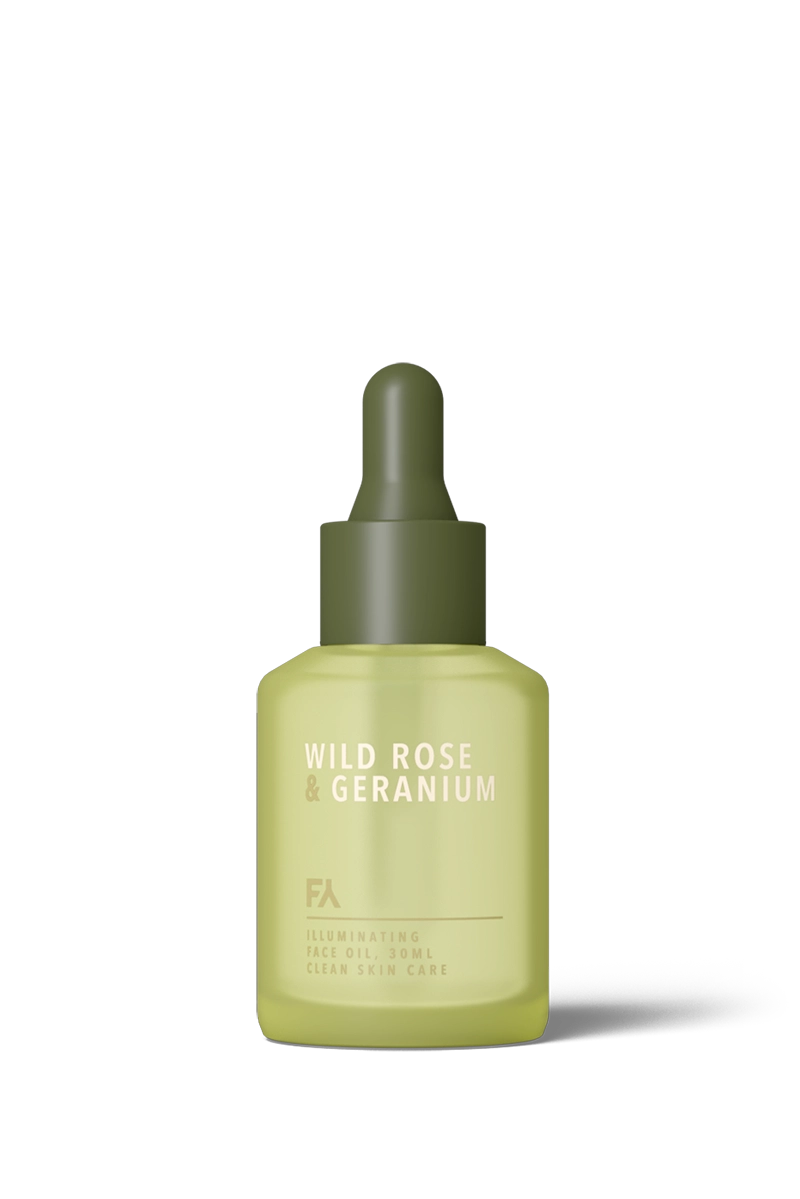
These can include plant extracts, essential oils, and other botanical ingredients that fully nourish your skin. For example, our Wild Rose Illuminating Face Oil, which won the “Best Face Oil” by Bazaar Awards Beauty in 2022 inspired us to improve our non-toxic formulas. This was the starting point of our entire new product line, which you can now find on our website. Based on the success of this face oil, we created the all-new, completely natural Fields of Yarrow’s Wild Rose Illuminating Face Oil. This new powerful formula was created with your skin’s health in mind. It is rich in antioxidants that work together to protect the skin from damaging free radicals while providing deep hydration. Fields of Yarrow was honored as a second consecutive year winner of “Best Face Oil” by Harper’s Bazaar 2023.
 Award Winner
Wild Rose & Geranium
Rich in vitamin E, F, Argan oil, cucumber oil, tea tree essential oil, and Abyssinian oil, this powerful treatment encourages collagen synthesis, boost tone, and provides anti-oxidant protection.
Tips for Transitioning to a Non-Toxic Skincare Routine
Rome wasn’t built in a day, and your perfect skincare routine won’t either. It’s often easier to start by replacing one product at a time once you finish it. Educating yourself about harmful ingredients by reading through posts of capable professionals can help you make informed choices. A great source of curated, scientifically-backed articles about non-toxic skincare can be found here. Remember, seeing results may take time, but the benefits of not putting daily toxins on your largest organ are worth the wait.
Addressing Common Concerns and Challenges
One common concern when transitioning to non-toxic skincare is the potential cost, as these products often have a higher price point. However, high-quality, non-toxic skincare should be considered an investment in your long-term health and beauty. Always remember to do a patch test when trying a new product, as even natural ingredients can cause mild allergic reactions in some people. Remember, the goal is to support your skin’s health and well-being, so it’s worth taking the time to find the products and routines that work best for you.