
Facial oils, derived from natural ingredients like flowers, fruits, seeds, and nuts, have gained popularity in skincare for their many possible benefits. Composed of naturally occurring essential fatty acids, vitamins, and antioxidants, these lightweight mixtures penetrate deeply into the skin to nourish, hydrate, and protect it.
They increase the skin’s natural lipid barrier, protecting it from environmental stressors and free radicals, and can promote anti-aging effects by boosting collagen production and improving our skin’s elasticity. They can also address specific skin concerns, such as inflammation and excess sebum production (I know it sounds strange, I’ll explain why in the post).
In fact, in this article, we will explain what facial oils are and how their correct use does not clog pores and can even be beneficial to people with oily skin.
What Are Facial Oils?
As you guessed, facial oils are oils that can be applied directly to the face to hydrate and keep the skin healthy. The skin care industry recently took a highly beneficial turn; we moved from mineral to botanical oils. Mineral oils were the classic dermatologist-approved skin care oil until research showed that this refined petroleum product prevented transepidermal water loss that clogged pores.
Botanical or plan-based oils are produced using two techniques:
- Cold pressing: It involves mechanically extracting oil from plant materials like seeds or nuts without the use of heat, thereby preserving their nutritional content. Common oils produced this way include jojoba, argan, and sweet almond oil.
- Steam distillation: It is used mainly for the essential oils we know and love, where the steam is passed through the plant materials, like flowers and leaves, to release the healing molecules. The steam is then cooled, and the resulting condensation is collected to extract the oil.
Within the plant-based facial oil movement, a lot of noise has been created around coconut oil, but what other oils can we apply to our skin? Here are the most used Facial Oils due to their versatility and wide array of benefits:
- Jojoba Oil (Simmondsia chinensis): This oil closely resembles the skin’s natural sebum, making it an excellent option for balancing oil production in all skin types, including oily and acne-prone skin.
- Rosehip Oil (Rosa canina): Known for its high concentration of vitamins A and C, rosehip oil can help to reduce signs of aging, brighten skin, and promote skin cell regeneration.
- Argan Oil (Argania spinosa): Rich in vitamin E and essential fatty acids, argan oil is often used to moisturize skin, soften dry patches, and reduce the appearance of wrinkles.
- Grapeseed Oil (Vitis vinifera): High in linoleic acid, grapeseed oil is a good option for oily and acne-prone skin. It’s also known for its anti-inflammatory properties.
- Tea Tree Oil (Melaleuca alternifolia): Not typically used alone as a facial oil, it is a popular ingredient for treating acne due to its potent antibacterial properties.
- Squalane Oil: Squalane, derived from squalene, is a great hydrating oil suitable for all skin types. It’s non-comedogenic and absorbs well into the skin.



Understanding the Composition and Properties of Facial Oils
Composed of essential fatty acids, vitamins, and antioxidants, facial oils are a concentrated source of nutrients for your skin. They contain active compounds that penetrate the skin’s surface and deliver benefits deep down, at a cellular level. Importantly, high-quality facial oils are designed to be lightweight and non-greasy, absorbing quickly to provide potential benefits without leaving a heavy residue, disproving the misconception that oils always clog pores.
Nourishing and Hydrating Benefits of Facial Oils
One of the main benefits of facial oils is their incredible ability to nourish and hydrate our skin. They can penetrate into deeper layers, delivering necessary nutrients and locking in moisture in our cells. Especially for dry skin, facial oils can be a game-changer, replenishing and restoring the skin’s natural lipid barrier and maintaining skin health and resilience to environmental stressors.
Anti-Aging Properties and Improving Skin Elasticity
Many of the available face oils target one growing concern: anti-aging benefits. The potent antioxidants in these oils fight against free radical damage, a leading cause of premature aging. By boosting collagen production, they can help reduce the appearance of fine lines and wrinkles. If you want to discover the best anti-aging skincare routine I have ever used, check out this article: The Ultimate Anti-Aging Daily Skincare Routine.

Addressing Specific Skin Concerns
Facial oils are not just for hydration and anti-aging; they can also address specific skin concerns. Certain oils have, for example, anti-inflammatory properties that can soothe sensitive or irritated skin. For those suffering from acne and oily skin, Fields of Yarrow’s Nectar de Rose Revitalizing Cleansing Oil is the perfect example of the correct usage of facial oils. Its upgraded formula is infused with the goodness of safflower, castor, and avocado oils. Beautifully balanced with rose petals, vitamin E and enriched with rose essential oil, this luxurious oil-based facial cleanser deeply nourishes and protects your skin. Give yourself a spa-like experience in the comfort of your own home.
Nectar de Rose
The rose petals infused in NECTAR DE ROSE delivers a natural source of hydration, as well as antioxidant and anti-inflammatory properties. Vitamin E provides additional nourishment, while rose essential oil lends a silky softness and a delicate floral fragrance to the skin.
How to Incorporate Facial Oils into Your Daily Skincare Routine
Incorporating facial oils into your skincare routine depends on your skin type and specific concerns; a dermatologist’s opinion is always recommended. The proper application is key—facial oils should be applied after your moisturizer to seal in hydration. Warm a few drops between your hands and press gently into the skin, using circular movements for optimal absorption.
Fields of Yarrow’s Awarded Facial Oils
Our favorite oil creations are certainly the Harper’s Bazaar 2023 Award Winning Wild Rose & Geranium Face Oil, the Marigold & Moringa Nightly Treatment Oil, and, my personal favorite for daily cleansing, the multi-purposed Nectar de Rose. All packed with 100% natural and clean ingredients, with a high dosage of Vitamin C and flower oils. Fields of Yarrow’s process of Oil creation is a slow process that aims at the creation of the smallest molecular structure of the oil itself, thus avoiding the risk of clogging pores.
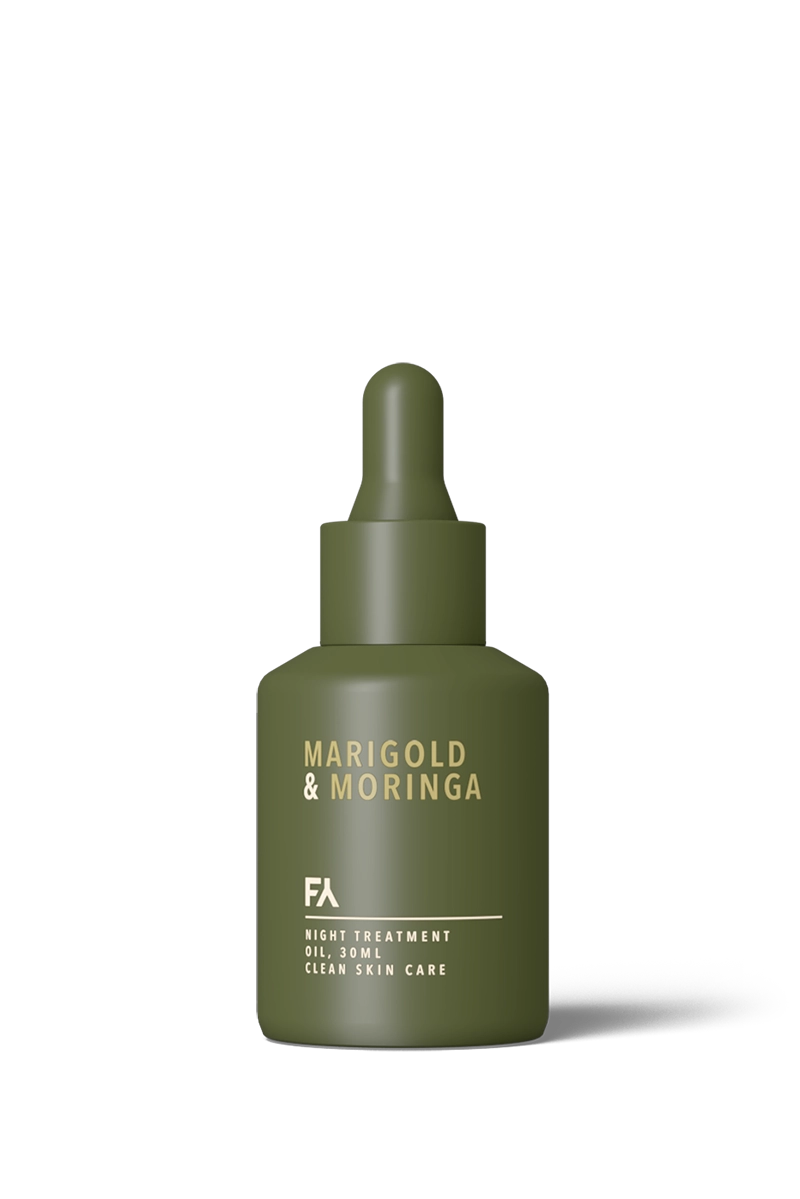
Marigold & Moringa
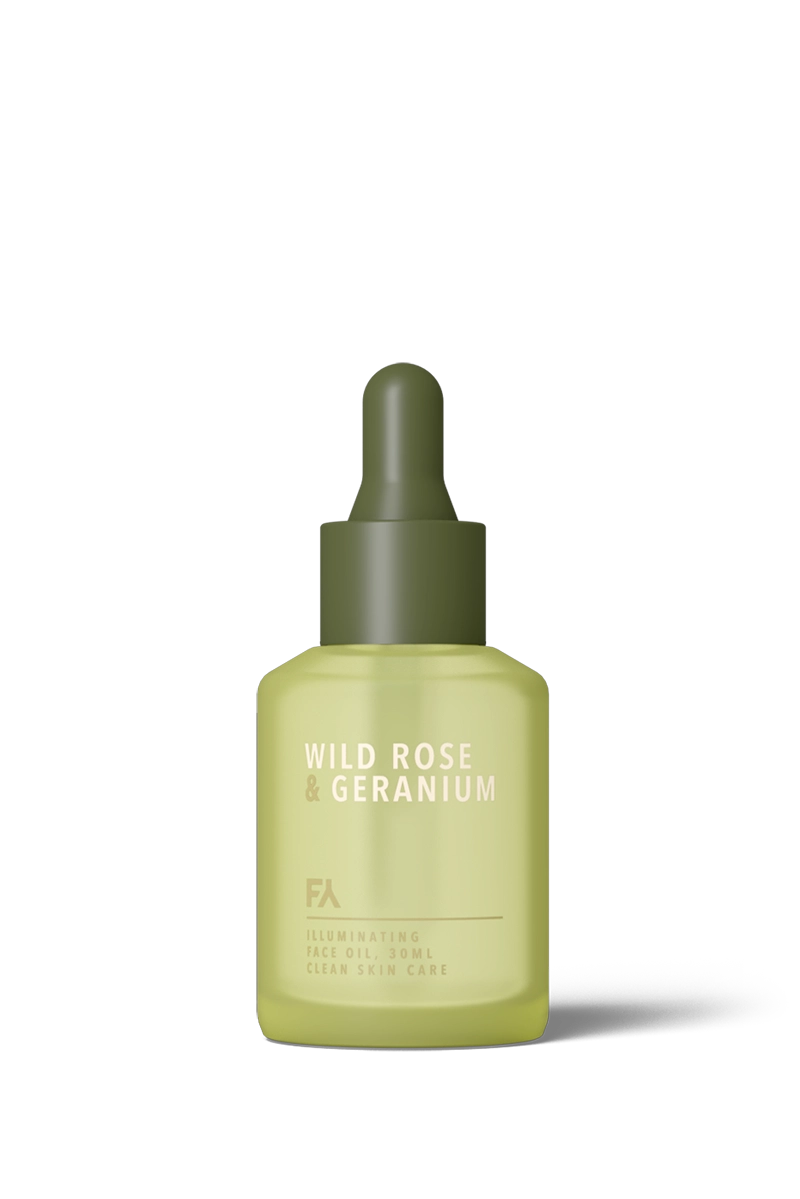
Wild Rose & Geranium
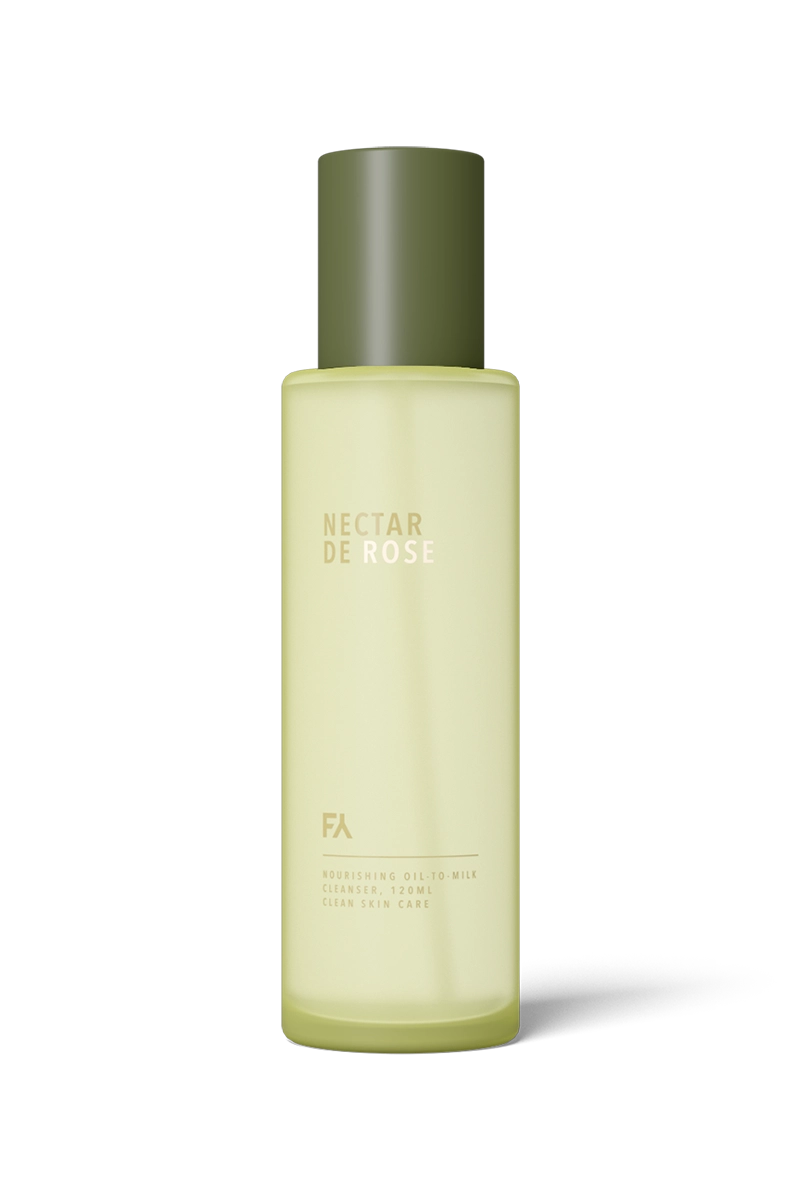
Nectar de Rose
Cautionary Measures With Facial Oils
Several facial oil products often include citrus, a component known to induce a phototoxic reaction under UV light, potentially leading to skin burns and damage. Other oils like tea tree oil, peppermint oil, Ylang-ylang, lemongrass, rosemary oil, and sandalwood oil may cause allergies or irritation if not diluted properly to achieve the optimal concentration. Always check with a small skin patch before applying it to your face to avoid allergic reactions.
Start using facial oils in your daily skincare routine and see transformative effects. Whether for deep hydration, anti-aging, or addressing specific skin issues, these potent natural wonders offer many benefits. You can unlock healthier, radiant skin with the right choice of facial oil and its proper application.
FAQs
What are facial oils, and how do they benefit the skin?
Facial oils are oils derived from natural ingredients like flowers, fruits, seeds, and nuts, which are applied directly to the face to hydrate and nourish the skin. They contain essential fatty acids, vitamins, and antioxidants that penetrate deeply into the skin, providing nourishment, hydration, and protection. Facial oils can strengthen the skin's lipid barrier, protect against environmental stressors, promote collagen production, improve elasticity, and address specific skin concerns such as inflammation and excess sebum production.
Are facial oils suitable for all skin types, including oily skin?
Yes, facial oils can be beneficial for all skin types, including oily skin. Contrary to the misconception that oils clog pores, high-quality facial oils are designed to be lightweight and non-greasy. They can balance oil production, replenish the skin's natural lipid barrier, and provide hydration without leaving a heavy residue. For oily skin, oils like jojoba oil and grapeseed oil, which have a lighter texture and can regulate sebum production, are particularly suitable.
Can facial oils help with anti-aging effects?
Yes, facial oils can help with anti-aging effects. They contain potent antioxidants that combat free radical damage, which is a leading cause of premature aging. By boosting collagen production and improving skin elasticity, facial oils can help reduce the appearance of fine lines and wrinkles, promoting a more youthful complexion.
Will facial oils make my skin oily or clog my pores?
Fields of Yarrow's facial oils are specifically formulated to be lightweight and non-greasy, so they generally won't make your skin feel oily. In fact, facial oils can help balance the skin's natural oil production, making them suitable for various skin types, including oily and acne-prone skin. High-quality facial oils are non-comedogenic, meaning they won't clog your pores when used properly. It's essential to choose oils that are suitable for your skin type and use them in moderation to avoid any potential pore-clogging effects.